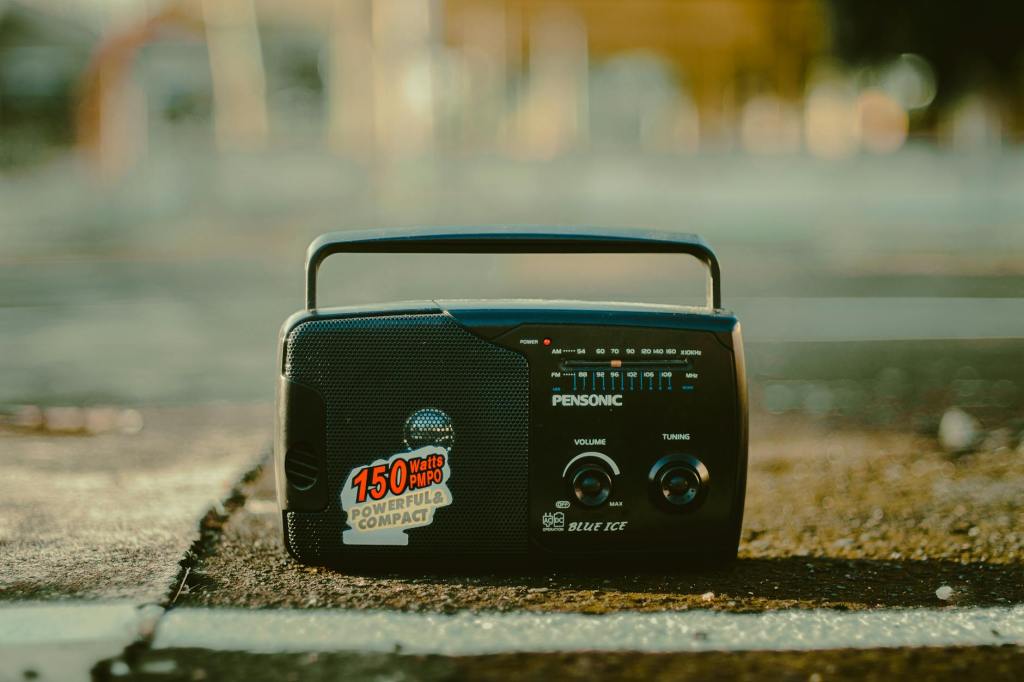
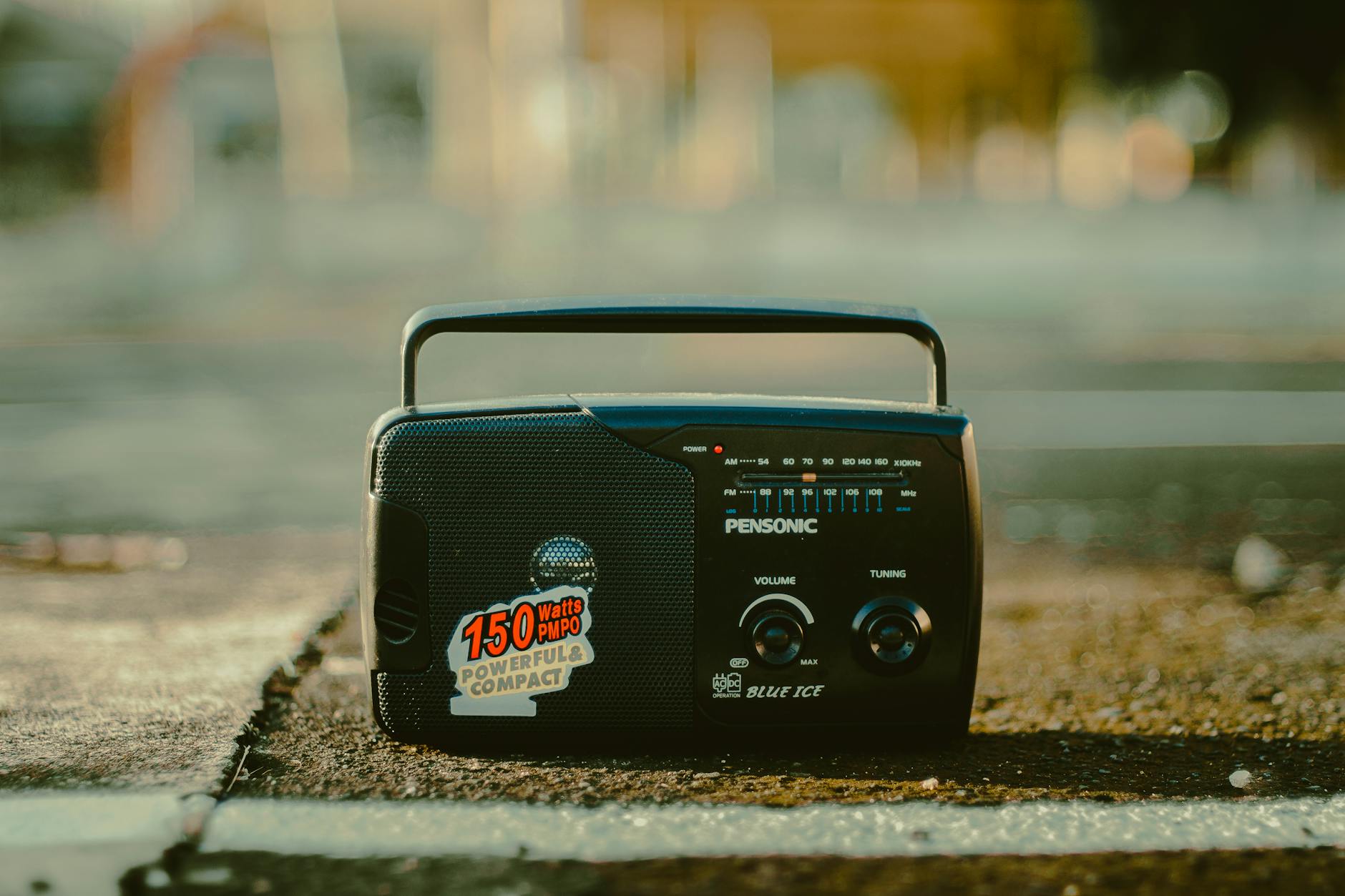
Great piece on NPR’s All Things Considered on Nov 1, 2025 about writing for the radio. Former newspaper writers reflect on the difference between writing for text-based publications compared writing for the radio.
General lessons here:
- “It’s one skill to write for print. It’s a very different skill to write for the ear. Radio writing needs to be shorter, simpler.”
- Write like you speak. “And I’m always thinking, if I’m having a pint in a pub with somebody, what’s the first thing I’m going to tell them? What’s the story?”
- Writing with sound from your subjects is a bit like writing for the theater or for film. You have one character enter the stage, and then leave. You have different characters represent different angles of a story, if you have time.
- Radio brings moments (and people) to life: “I listened to that laugh so many times when I would listen to my tape. And I remember thinking, if I was still writing for a newspaper, I couldn’t convey the joy and delight of that laugh. So there’s something about radio where you can bring something that you’re a little limited with in print.”
- “…there’s really only two questions in radio that we use ad nauseum, which is, and then what happened? – and how did you feel about that? I would say everything in an interview that I do is somehow some version of those two questions. And what you’re trying to do is get them to tell a story because then they can bring you to the place where the thing is happening.”
- On style of interviewing for the radio and why you are able to often get different type of information than a straight get the facts news operation: From Frank Langfitt:
- So I was in Somalia, and I – we were traveling around covering the fighting there in the civil war. And I was working with an AP reporter. And this – she’s a great reporter. But her interview was, like, a million questions. It was just staccato. She was basically extracting as much information as possible as efficiently as she could from this, you know, major.
- And then I was talking to him. And so the first thing I said to him is, well, tell me about your family. And, of course, his whole demeanor completely changed. He started talking about the people he had left behind, how difficult it was to be fighting in Mogadishu.
- And then I began to ask them, well, like, how were you trained? And they said, we were taught to jungle fight, so we have no idea how to do house to house in this sort of urban warfare. And so it just ended up being much more interesting. And I got all the information. I mean, I piggybacked on the AP reporter, and so I had all the facts. But I was able to get just a much more sense of who these people were, the challenges that they faced.
- If you can’t get the sound, get inventive. Laura Sullivan did a story about historical markers, and in order to show the randomness — and boringness — of the words on the markers, she read some of them aloud to have listeners understand the how weird and block-like the content felt for these significant historical objects and areas. The lesson: figure out what will help the audience understand what you’re talking about, and do that.
 Old Fashioned News
Leave a comment